

Aruba welcomes international buyers, and the process is the same as for local residents: a civil-law notary handles the transfer, checks the title, and registers the deed. This guide explains who can buy, the steps from offer to closing, the taxes and fees, and how long you can stay on the island as an owner.
In addition, Forbes included the island in its list of the best places to retire abroad in 2024, highlighting Oranjestad and the coastal towns of Palm Beach, Eagle Beach, and San Nicolas as specific places of interest. That’s why investing in Aruban real estate can offer several advantages.
Aruba’s thriving tourism, stable economy, natural beauty, and robust infrastructure make it a compelling investment destination. In addition, Aruba’s political stability as well as its tranquil and secure atmosphere for locals and visitors ensure a safe environment for real estate investment.
Investing in Aruban real estate can offer several financial benefits. For example:
For a closer look, see our guide to investing in beachfront real estate in Aruba.


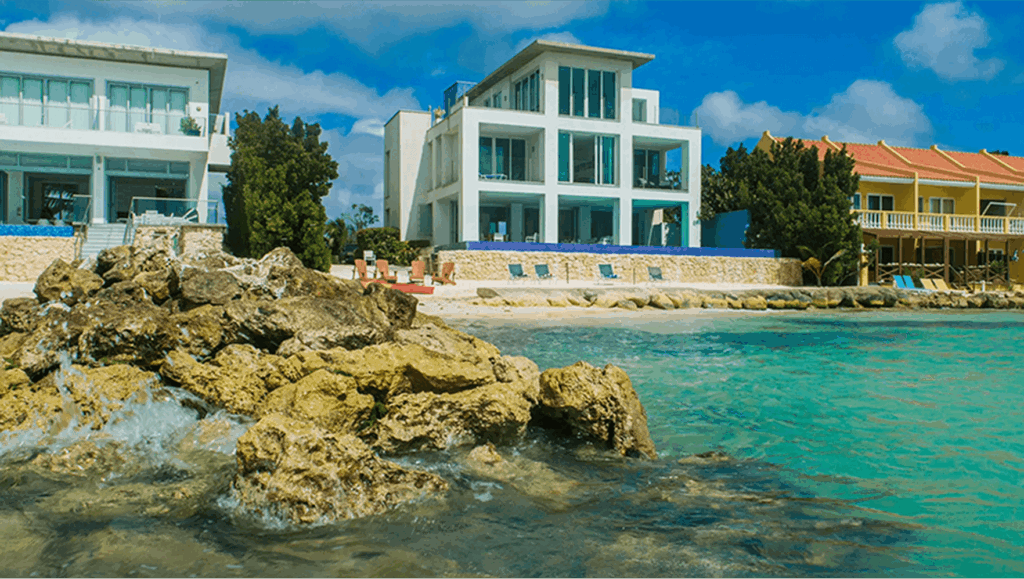
Aruba offers a variety of desirable locations for real estate investment. Some of the most popular areas for vacation homes include:
Palm Beach:
Known for its pristine white sand beaches, luxurious resorts, and vibrant nightlife, Palm Beach is a prime location for vacation rentals and upscale living.
Eagle Beach:
Known for its calm waters and stunning sunsets, Eagle Beach is a popular choice for families and couples seeking a relaxing beach getaway.
Savaneta:
This charming fishing village offers a more relaxed atmosphere and a glimpse of authentic Aruban culture.
Oranjestad:
The capital offers a vibrant mix of modern amenities, historical sites and cultural attractions.
When choosing a location, consider factors such as proximity to beaches, access to amenities, and the overall atmosphere of the neighborhood.
Foreign buyers in Aruba generally have the same rights as residents when purchasing property. However, it’s essential to understand the legal framework and obtain proper legal advice before buying.
Key legal considerations for foreign buyers include:
Obtaining a Residency Permit:
While not always required for property ownership, obtaining a residency permit can offer certain benefits and may be necessary for long-term stays.
Familiarize yourself with the rules governing property ownership, including the regulations regarding land use, zoning, and construction.
Consult with a local real estate lawyer and financial advisor to ensure a smooth and legally sound transaction.
When purchasing property in Aruba, prospective buyers should be aware of a number of associated costs and fees. The primary expense is, of course, the purchase price itself, which will vary significantly depending on factors such as property type, size, and location. In addition to the purchase price, there are closing costs to consider. These costs typically include legal fees, transfer taxes, and notary fees.
Ongoing expenses include annual property taxes, which are generally calculated as a percentage of the property’s assessed value. Furthermore, property owners must budget for ongoing maintenance costs, such as insurance, utilities, and landscaping. The transfer tax is 3% or 6%, depending on the property’s value and whether it will be your own home, and notary fees are about 1% of the price. In total, closing costs usually add roughly 4% to 8% to the purchase price.

To maximize your return on your investment, conducting thorough research is paramount. This includes performing a comprehensive local market analysis, identifying areas of high demand, and studying current rental trends.
In addition, choosing the right property is critical. Investors should carefully consider their investment goals and select a property that aligns with their objectives, whether that is a high-end vacation home, a budget-friendly rental unit, or a combination of both.
Professional property management services can greatly streamline rental operations and maximize rental income. These services can handle tenant screenings, rent collection, and property maintenance, freeing up the investor’s time and minimizing potential headaches.
Finally, staying on top of market trends and local regulations is essential to keep your investment competitive and profitable.

Securing financing to purchase a property in Aruba may be an option for non-residents. Some local banks offer mortgage options for foreign buyers, although requirements and interest rates vary widely.
Private lenders may also offer alternative financing options, but it’s crucial for potential borrowers to carefully review the terms and conditions of any loan agreement before proceeding. For investors with sufficient funds, an all-cash purchase may offer a faster and more straightforward transaction, potentially eliminating the complexities of securing a mortgage.

Aruba offers a high quality of life in a relaxed and welcoming atmosphere. Enjoy the island’s beautiful beaches, explore its vibrant nightlife, and immerse yourself in the local culture. Build a community by networking with other residents and expatriates. Take advantage of world-class restaurants, diverse shopping options, and a wide range of recreational activities. Aruba offers the perfect blend of relaxation and adventure. So, what are you waiting for? It’s time to make Aruba your new home!
With its strong tourism industry, Aruba offers property owners an excellent opportunity to generate significant rental income. Visitors come to the island year-round, and popular areas such as Palm Beach, Eagle Beach, and Oranjestad attract many of them. Before you buy, check the building’s short-term rental rules.
Rental income is not guaranteed and depends on market conditions.

If you’re planning to buy property in Aruba from abroad, these answers will help you take the first step with confidence.
Yes. Foreign buyers can purchase property in Aruba, and they generally have the same rights and follow the same process as residents.
A civil-law notary prepares and registers the deed of transfer and checks the title in the public registers. Many buyers also work with a local real estate lawyer for added peace of mind.
Yes. Buyers should plan for closing costs, such as notary fees, and for ongoing expenses like maintenance and insurance. Your notary can give you an exact breakdown before you sign.
Yes. Buyers pay a one-time transfer tax of 3% or 6% at closing, and owners pay an annual property tax based on the assessed value. Confirm the exact amounts with your notary or a local tax advisor.
Casa Playa Residences offers 1, 2, and 3-bedroom condos in downtown Oranjestad. Browse the available condos for sale or explore every layout on our floor plans page.
Aruba’s combination of natural beauty, political stability, and economic prosperity makes it a compelling choice for real estate investment. Whether you’re looking for a vacation home, a retirement retreat, or a profitable rental property, Aruba offers a unique opportunity to enjoy the island lifestyle with a property you can enjoy for years. With its tourism, welcoming community, and quality of life, Aruba stands out among Caribbean destinations.
Ready to take the next step in investing in this Caribbean paradise? Meet Casa Playa Residences, one of the island’s most iconic buildings, now transformed into ready-to-move-in condos with ocean views.
Request More Information
Please fill out the form below to get more information.
Access the Brochure for Casa Playa Residences.
Please fill out the form below to get the link to our brochure.
Access the Brochure for Casa Playa Residences.
Please fill out the form below to get the link to our brochure.
